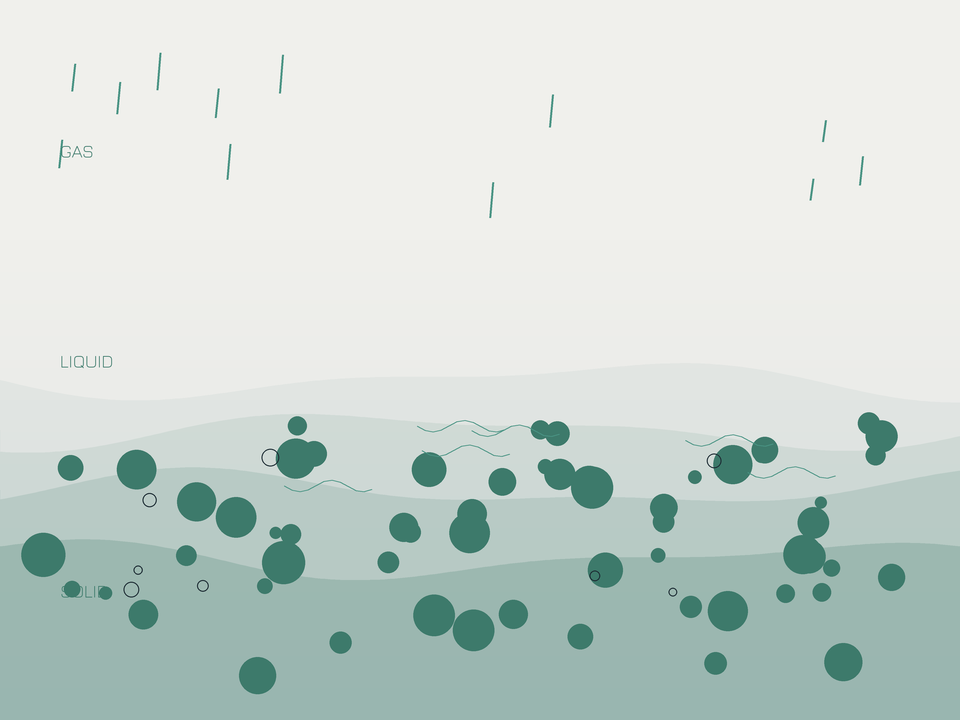
Multi-phase Soil Behaviour under Environmental Effects
Investigating the coupled solid-liquid-gas response in soils under extreme climate conditions. This provides the physical foundation for understanding the safety and serviceability of geotechnical infrastructure under climate change.
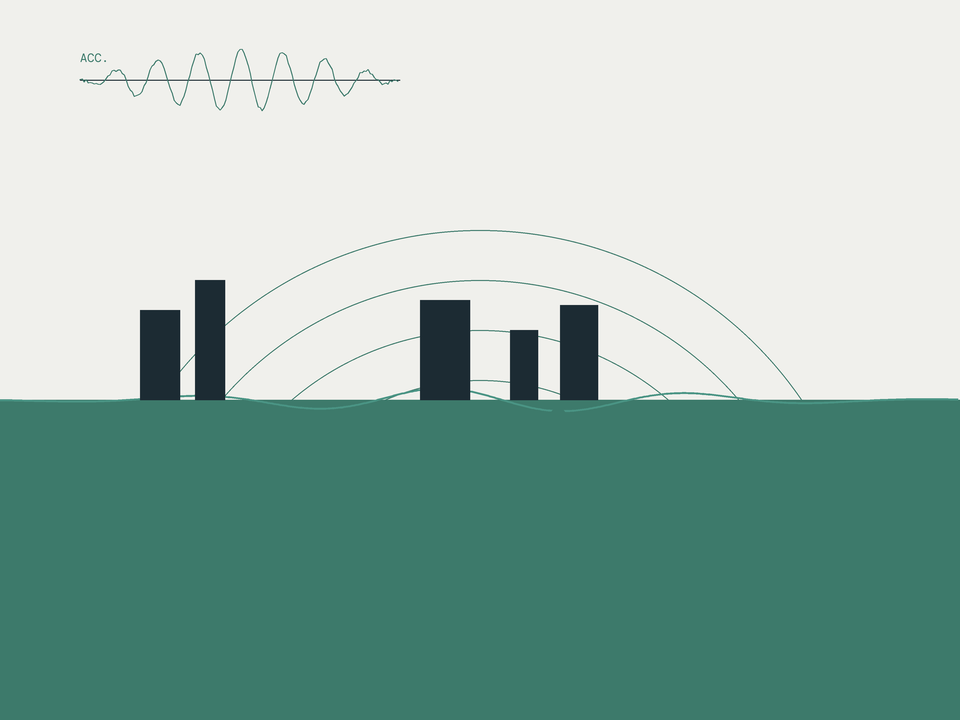
Soil Dynamics & Earthquake Engineering
Taiwan sits on the Pacific Ring of Fire. We are committed to enriching experimental databases, improving measurement techniques, and developing numerical models to characterise soil behaviour under seismic conditions.
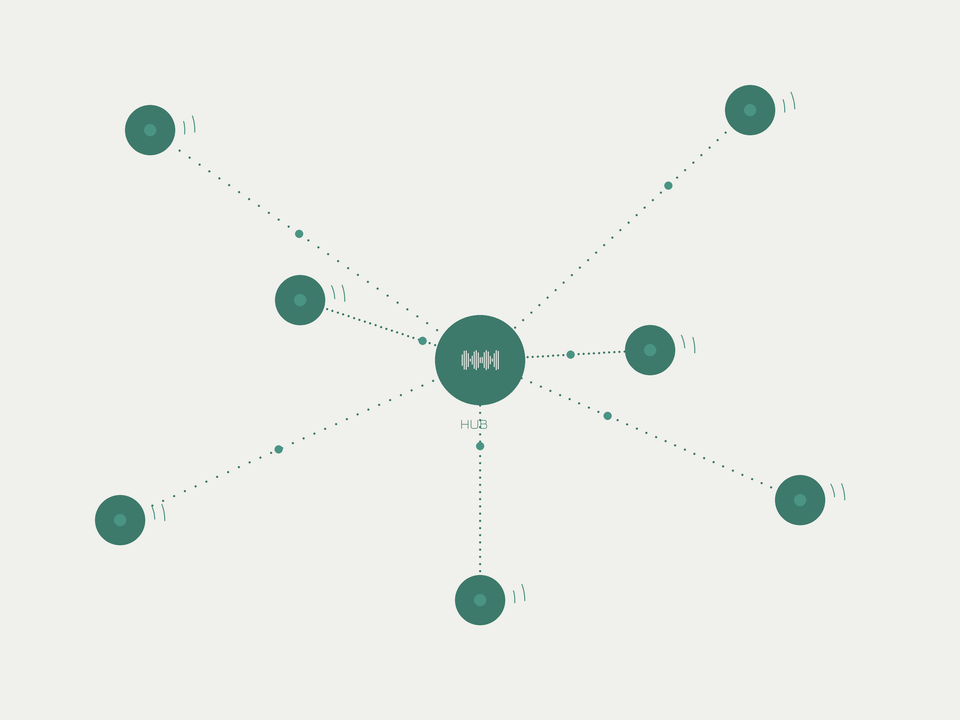
Smart Monitoring & Data Analysis
Advancing geotechnical field monitoring through IoT sensing and AI-assisted analysis. Moving from traditional data collection to data-driven decision making.
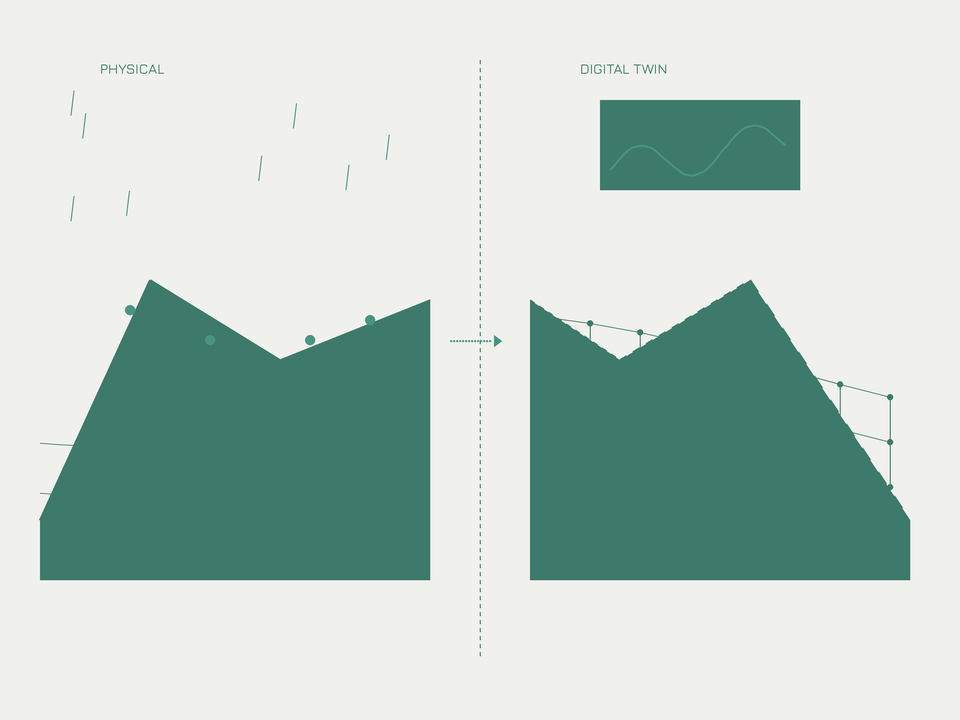
Digital Twin for Infrastructure Resilience
Integrating laboratory testing, monitoring data, and numerical simulation to build digital replicas of infrastructure. This is the ultimate integration of the previous three directions — predicting time-dependent performance, anticipating extreme events, and planning maintenance strategies.